
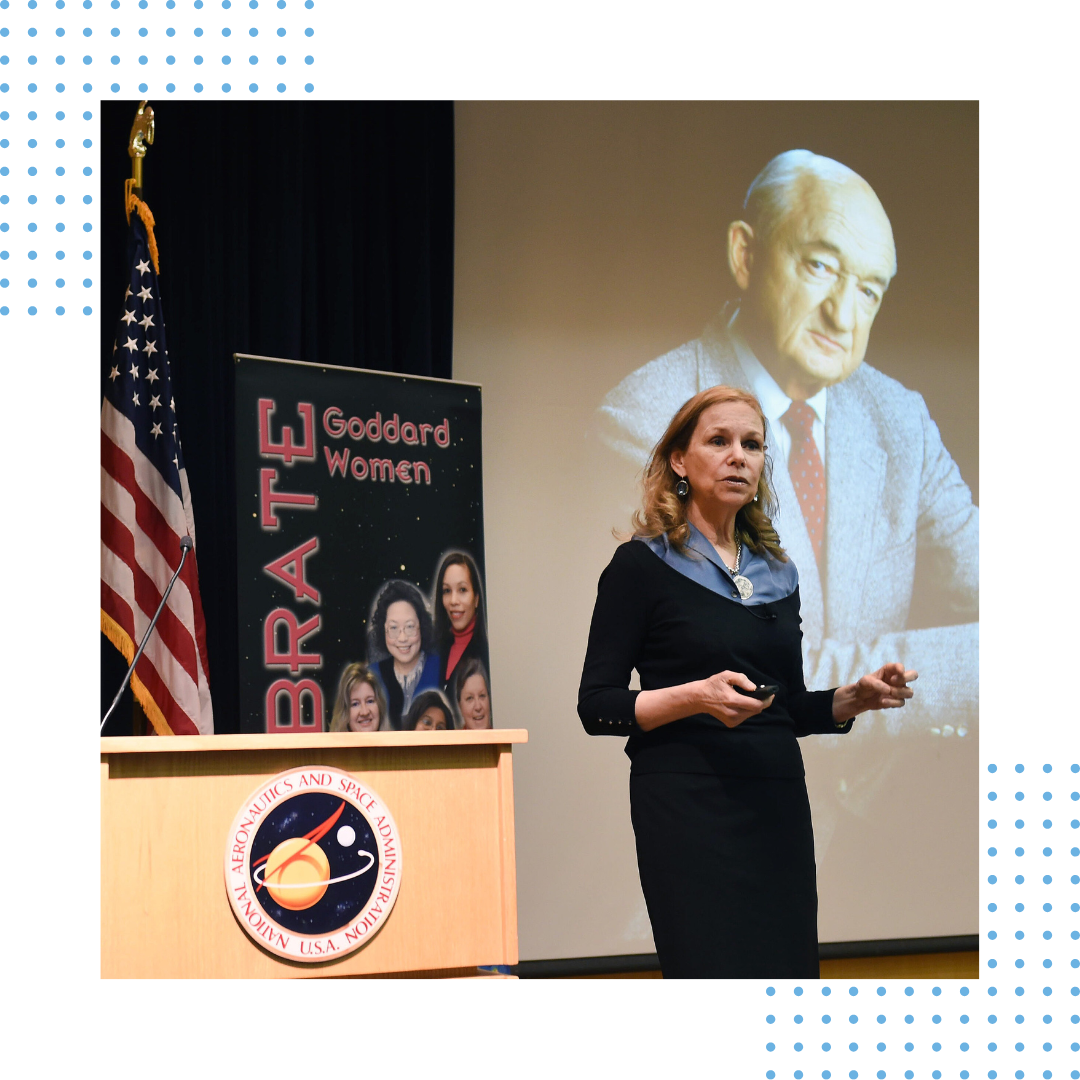
The Story Behind
Mental Help Global
In February of 2022, 14-year-old Darya Bondarenko watched in horror as two Russian soldiers in Bucha aimed their machine guns at her father and stepmother and then fired. The two men riddled her parents’ bodies with bullets, killing her father instantly, and in the next several minutes, her mother bled out before her eyes.
This was about as traumatic as anything could be for a young girl. If there was ever a case for needing counseling, Darya was it.
I heard Darya’s story while in a police station near Kyiv, where she was one of many victims sharing their harrowing tales with me, a Western journalist. However, there was something that set off my alarm bells when listening to Darya. When speaking, her voice was a flat monotone, as if recounting someone else’s tragedy. Even without a psychology degree, it was clear to me that she was disassociating, speaking from a place of detachment.
Without counseling, the outlook for individuals in her shoes is grim. Often, they self-medicate with drugs or alcohol, leading to a cascade of new problems which may damage and shorten their lives.
When I asked the translator, Irina Tkach, if Darya would receive counseling, Tkash’s response was sobering: “Unfortunately, millions here have faced similar horrors. The chances of her getting help? Slim. She’s on her own.”
Haunted by Darya’s situation, I started doing some research. The World Health Organization estimates that 15 million people in Ukraine suffer from a whole host of debilitating mental conditions. Prolonged stress, loss, and disrupted access to care makes the situation worse.
As a war correspondent, I’ve seen firsthand the insomnia, panic attacks, depression, and anxiety plaguing the populace.
The stark reality? Ukraine has a mere fraction of the mental health therapists needed. Unofficial figures suggest that there are maybe 11 therapists per 100,000 people compared to 267 in the US. These numbers, while rough, underline a desperate need for new solutions.
As someone who wrote her master’s thesis on the future of computers, I started wondering if using Large Language Models like ChatGPT could help people in need of mental health support. I mentioned the idea to a tech entrepreneur from Texas, Clara Kaluderovic, and she mentioned it to General David Petraeus.
The three of us agreed that this had the potential to help individuals who otherwise might get no help. It would have the added advantage of being available 24/7 and it could be free. That was the beginning of Mental Help Global.
What is
Mental Help Global (MHG)
MHG is a non-profit that aims to provide additional mental health support to Ukrainians 24/7 at no cost. We use ChatGPT-type artificial intelligence tool with RAG (Retrieval-Augmented Generation) in a Large Language Model (LLM) to help address the gap in Ukraine between the number of mental health professionals and the needs of the Ukrainian people.
We are making heavy use of RAG, which combines the capabilities of a language model with real-time access to data bases relevant to Ukraine. Our project uses the most relevant and up-to-date information from trusted sources (e.g., clinical guidelines, therapeutic exercises) before generating a response.
When someone in Ukraine seeks support, the AI will pull tailored mental health advice or coping strategies from resources that Ukrainian professionals have vetted and updated to reflect local needs and cultural sensitivities. For example, it might access information specifically related to trauma or PTSD management in a war-torn context, ensuring the support is accurate and relevant.
Our RAG-enabled system will be able to handle thousands, and eventually hundreds of thousands of interactions simultaneously, providing support to a vast number of users 24/7. Currently the American University Kyiv has hired eminent mental health specialists along with information technology specialists, and they now have a $40,000 server for the initial pilot.
Mental Help Global does not aim to replace professional therapy. However, it can serve as an accessible first point of support, offering psychoeducation, self-help strategies, and crisis intervention techniques that align with Ukrainian professional standards. It could also guide users on when and how to seek in-person professional help.
When an individual accesses the MentalHelp.global website, he or she will learn as part of the on-boarding that this is general talk therapy type AI, which functions like ChatGPT, but mental health professionals have trained it in the Ukrainian context for Ukrainian needs. We’ll let them know its limitations and what it can and can’t be used for.
We’re rolling it out slowly, with small demo groups. We’ll have users rate their sessions, so we’ll have feedback from them, plus knowledgeable Ukrainian therapists will be monitoring the interactions.
The interactions are text-based, and people accessing the service don’t have to download anything. However, individuals using MHG can have the interactions come from their speaking voice if they choose, and their spoken words will be automatically converted to text. We will not be using video since video creates privacy vulnerabilities.
Academic Benefit

The effort will be housed at the American University Kyiv, but we’re coordinating with other universities such as Harvard, Stanford, and the University of Arizona–so far. While providing services, we’re building a big data component with the expectations that this data will drive academic articles about, for example, the impact of AI on the economics of mental health.

Privacy
We know that health date is particularly sensitive in a country at war. Health data, especially concerning military personnel, injured civilians, and individuals receiving psychological or medical care, can be exploited by adversaries for military or propaganda advantage. Health data can be weaponized in disinformation campaigns. Being aware of the problem, we are prioritizing safety when it comes to cyber security. Fortunately, General Petraeus is offering advice, and as a former Director of the CIA, he knows about dealing situations of zero trust.

University of Maryland, Eastern Shore,
Doctor of Public Service, 2005

Doctor of Public Service, 2008
Summary
Mental Help Global (MHG) aims to address the immense mental health crisis in Ukraine by leveraging advanced AI technology and expert collaboration. With the severe shortage of mental health professionals, MHG’s AI platform, enriched with culturally relevant and up-to-date information, offers scalable support to millions of Ukrainians in need. While it does not replace traditional therapy, MHG serves as a critical first line of support, providing essential guidance, psychoeducation, and crisis intervention. If this proves to be as helpful as we hope it will, the template we’re developing could scale and be adapted to any country in the world.