
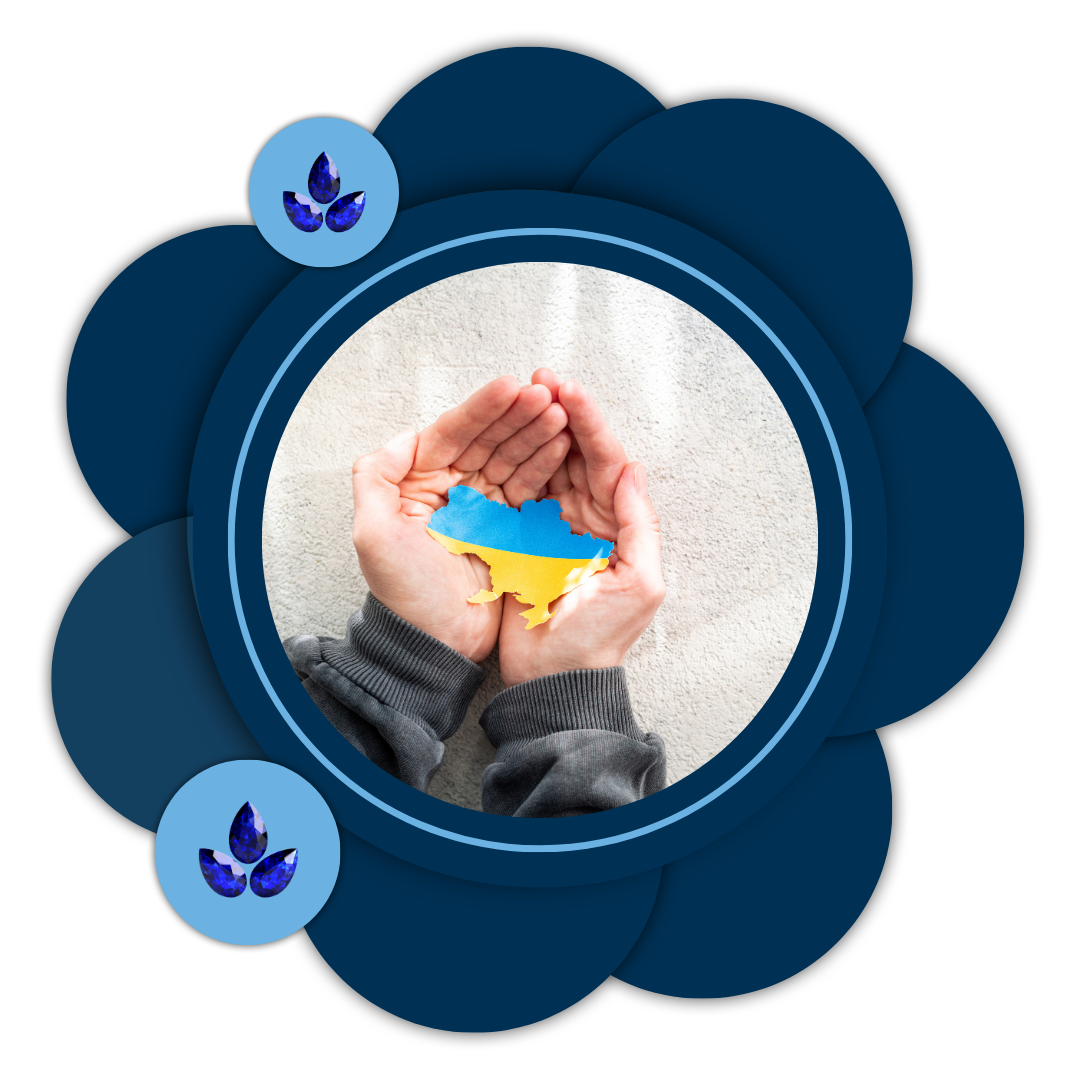
Ukraine’s
Mental Help Crisis
According to the WHO, as many as 15 million Ukrainians are suffering debilitating mental health conditions such as depression, anxiety, panic attacks, or insomnia. The number of mental health professionals available to these individuals is only a small fraction of the number that’s needed.
It’s hard to get exact figures on the number of mental health therapists in Ukraine, but you can hear estimates of 11 per 100,000 people. In the US, the comparable figure is 267 per 100,000. If the figures are accurate, the Ukrainians have somewhere around 1/25th the number of therapists that we do in the United States. These figures should be taken with caution, but directionally, the figures are correct: Ukraine, a country that’s three years into a brutal war, has a desperate need for a new approach to helping millions ofpeople for whom, as of now, no mental health support is available.

What is
Mental Help Global (MHG)
We are making heavy use of RAG, which combines the capabilities of a language model with real-time access to data bases relevant to Ukraine. Our project uses the most relevant and up-to-date information from trusted sources (e.g., clinical guidelines, therapeutic exercises) before generating a response. When someone in Ukraine seeks support, the AI will pull tailored mental health advice or coping strategies from resources that Ukrainian professionals have vetted and updated to reflect local needs and cultural sensitivities. For example, it might access information specifically related to trauma or PTSD management in a war-torn context, ensuring the support is accurate and relevant.
Our RAG-enabled system will be able to handle thousands, and eventually hundreds of thousands of interactions simultaneously, providing support to a vast number of users 24/7. Currently the American University Kyiv has hired eminent mental health specialists along with information technology specialists, and they now have a $40,000 server for the initial pilot. We hope to begin this in January of 2025.
Mental Help Global does not aim to replace professional therapy. However, it can serve as an accessible first point of support, offering psychoeducation, self-help strategies, and crisis intervention techniques that align with Ukrainian professional standards. It could also guide users on when and how to seek in-person professional help.
We’re rolling it out slowly, with small demo groups. We’ll have users rate their sessions, so we’ll have feedback from them, plus knowledgeable Ukrainian therapists will be monitoring the interactions.
The interactions are text-based, and people accessing the service don’t have to download anything. However, individuals using MHG can have the interactions come from their speaking voice if they choose, and their spoken words will be automatically converted to text. We will not be using video since video creates privacy vulnerabilities.
Legal Guidance and Oversight
We are working with the Paul Weiss law firm, which is offering its expertise pro bono to address pitfalls we might encounter in rolling this out. Anna Gressel leads the Paul Weiss AI practice, and she’s aware of areas of vulnerability across the entire value chain, such as content, compliance, governance, deception, consumer confusion, privacy issues and more. “We’ve seen all these kinds of issues,” she said in a October 25th Zoom call. She and her colleagues will consult with us and point out areas of concern across the whole spectrum of what MHG is doing.

Academic Benefit
The effort will be housed at the American University Kyiv, but we’re coordinating with other universities such as Harvard, Stanford, and the University of Arizona–so far. While providing services, we’re building a big data component with the expectations that this data will drive academic articles about, for example, the impact of AI on the economics of mental health.
Privacy
We know that health date is particularly sensitive in a country at war. Health data, especially concerning military personnel, injured civilians, and individuals receiving psychological or medical care, can be exploited by adversaries for military or propaganda advantage. Health data can be weaponized in disinformation campaigns. Being aware of the problem, we are prioritizing safety when it comes to cyber security. Fortunately, General Petraeus is offering advice, and as a former Director of the CIA, he knows about dealing situations of zero trust.
Summary
Mental Help Global (MHG) aims to address the immense mental health crisis in Ukraine by leveraging advanced AI technology and expert collaboration. With the severe shortage of mental health professionals, MHG’s AI platform, enriched with culturally relevant and up-to-date information, offers scalable support to millions of Ukrainians in need. While it does not replace traditional therapy, MHG serves as a critical first line of support, providing essential guidance, psychoeducation, and crisis intervention.